You can spot one from a block away. The long bonnet, the wide grille, chrome catching the light like it knew it was being watched. Classic American cars were never built to blend in.
They had something to say. And they said it loudly.
That’s the real reason they still turn heads decades later. Not nostalgia in a fresh coat of paint, but a reminder that a car could once be genuinely bold, and nobody thought twice about it.
Design with confidence
American car design has always thought big.
A luxury sedan didn’t just get you from A to B — it wrapped you in comfort and made the drive feel like an event. A muscle coupe told you everything before the engine turned over. A pickup did the job and looked like it could handle worse. Somehow, all of it worked.
The cars people remember best never tried to please everyone. They committed to one idea and let the lines carry it through.
The details do the talking
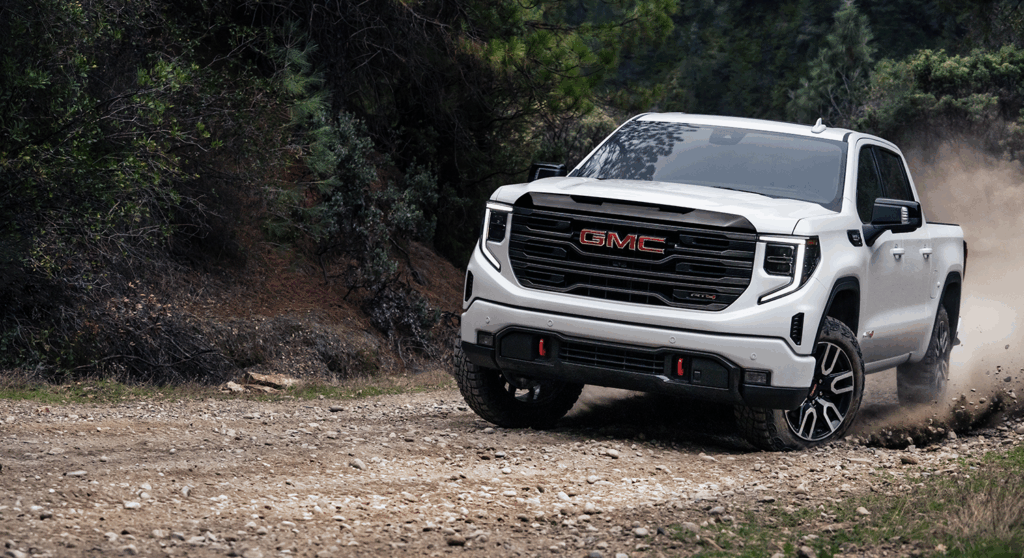
Step back and you see the silhouette. Step closer and that’s where a car’s personality actually lives; the hood ornament catching the sun, the chrome lettering spelling out a name people cared about, a grille built like armor plating.
None of it was purely decoration, it was signature.
That’s why owners today will spend years hunting down the right badge or bumper trim. Not because the car won’t run without it, but because getting it wrong means losing a piece of what made the car the car.
Color was part of the character
The road today is black, grey, silver, white. Safe. Sensible. Forgettable.
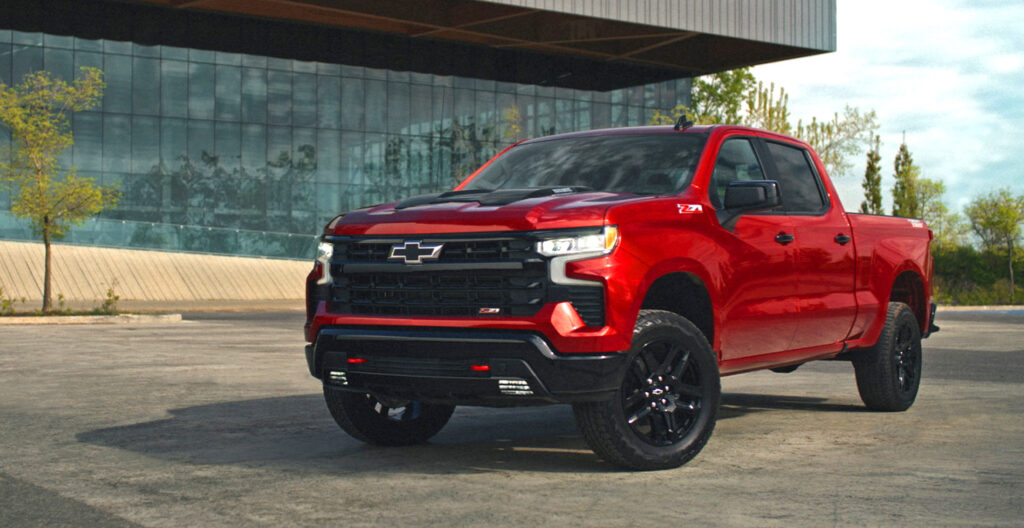
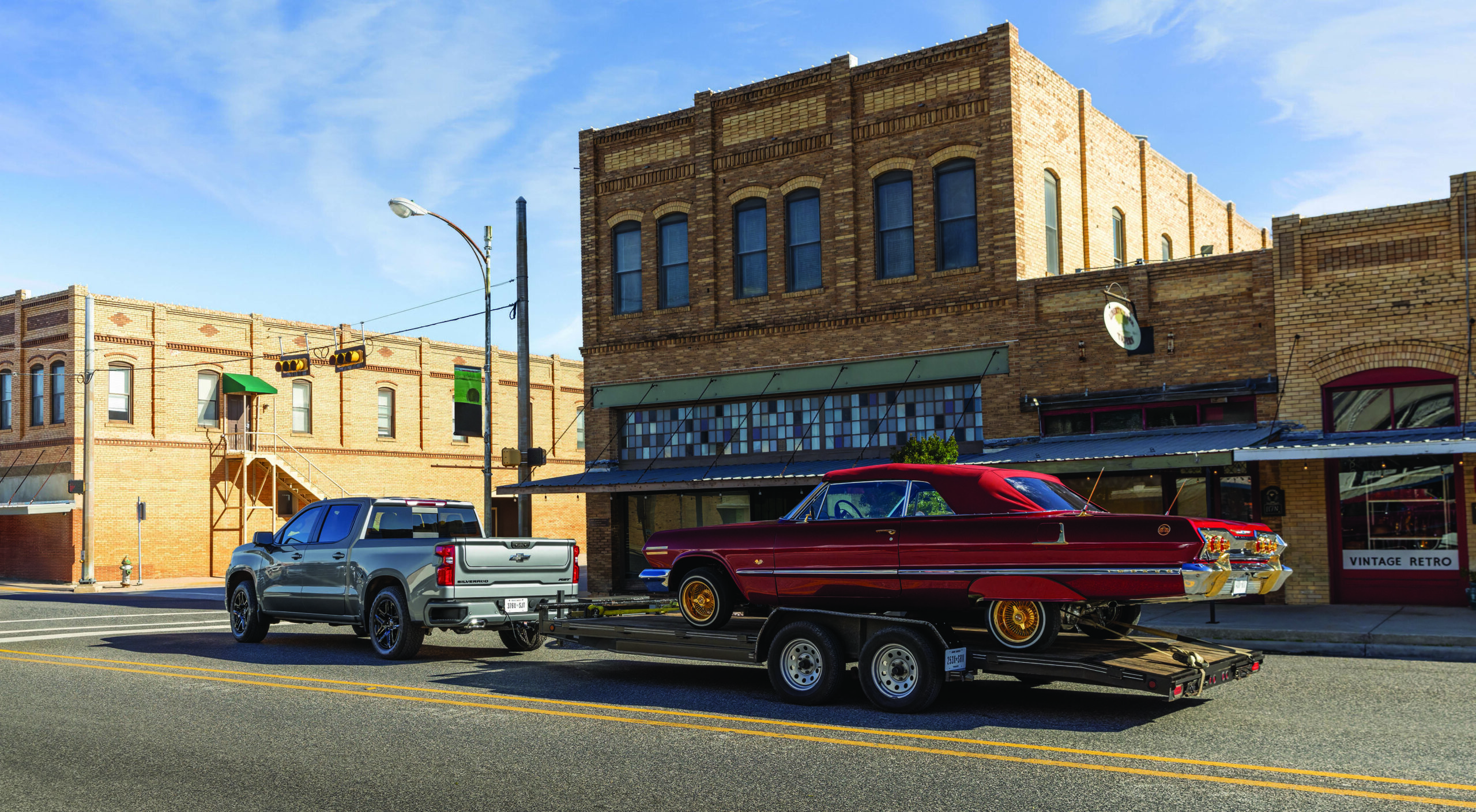
Classic American cars didn’t do safe. Deep cherry reds, powder blues and greens that looked almost too rich to be real. Metallics that shifted depending on the light. Color wasn’t a box on an order form but was part of how the car was meant to be seen.
Elegant, cheeky, or completely over the top; one thing you can be sure of is that the design was never boring. That’s still why these cars photograph so well today, and why nothing else on the road quite dares to look like them.
Different eras, same confidence
There was never one American style, more a handful of dialects in the same bold language.
The stately weight of a big Cadillac, the clean sweep of a Ford Thunderbird or the unapologetic bulk of a classic Dodge pickup. Some leaned into luxury, some into raw power, a few just went for broke. What connected them wasn’t a shared look, it was a shared certainty about what they were supposed to be.
That’s part of why certain models are still tied to a specific era or moment in pop culture, decades on.
Why iconic design lasts
A design earns “iconic” when it’s still turning heads long after the factory that built it has gone quiet. The strongest of these cars don’t need nostalgia to prop them up. The proportions still work. The details still hold your attention. The character hasn’t dulled.
Someone remembers the car their dad drove. The one from a favorite film. The one they stood next to at a show as a kid and quietly decided they’d own someday. That pull is hard to fake and impossible to manufacture after the fact.
From heritage to today
At AEC, we spend most of our time with today’s American vehicles. But what made the classics memorable hasn’t gone anywhere, it’s just evolved.
Modern cars are smarter and more efficient than anything from that earlier era. The basics haven’t changed. Design still needs to say something and identity still matters. A car that makes someone look twice is still worth more than one that doesn’t.
The American vehicles doing well today are doing roughly what the classics did: pairing real capability with real character. Built to do a job and built to be remembered doing it.
Technology moves on. Tastes shift. Trends come and go the way they always do.
But that pull toward something with actual personality hasn’t faded.
Because the cars that end up iconic were never just a product of the moment they were built in.
They outlast it.