When a vehicle arrives at a European dealership, its most complex journey is already behind it.
Long before it reaches a showroom or forecourt, each vehicle passes through a carefully managed process involving logistics, compliance, technical preparation, and coordination across multiple partners. While much of this work happens behind the scenes, it plays a critical role in ensuring vehicles are delivered safely, legally, and ready for the European market.
Planning the journey before shipping begins
The import process starts well before a vehicle is shipped. Early planning focuses on market requirements, regulatory readiness, and technical considerations to ensure that vehicles can enter Europe smoothly and without delay.
Experienced import partners assess each model in advance, identifying potential adaptations or approvals needed for specific markets. This upfront work helps prevent bottlenecks later in the process and allows timelines to be managed more effectively.
Arrival in Europe and vehicle processing
Once vehicles arrive in Europe, they enter the next phase of their journey.
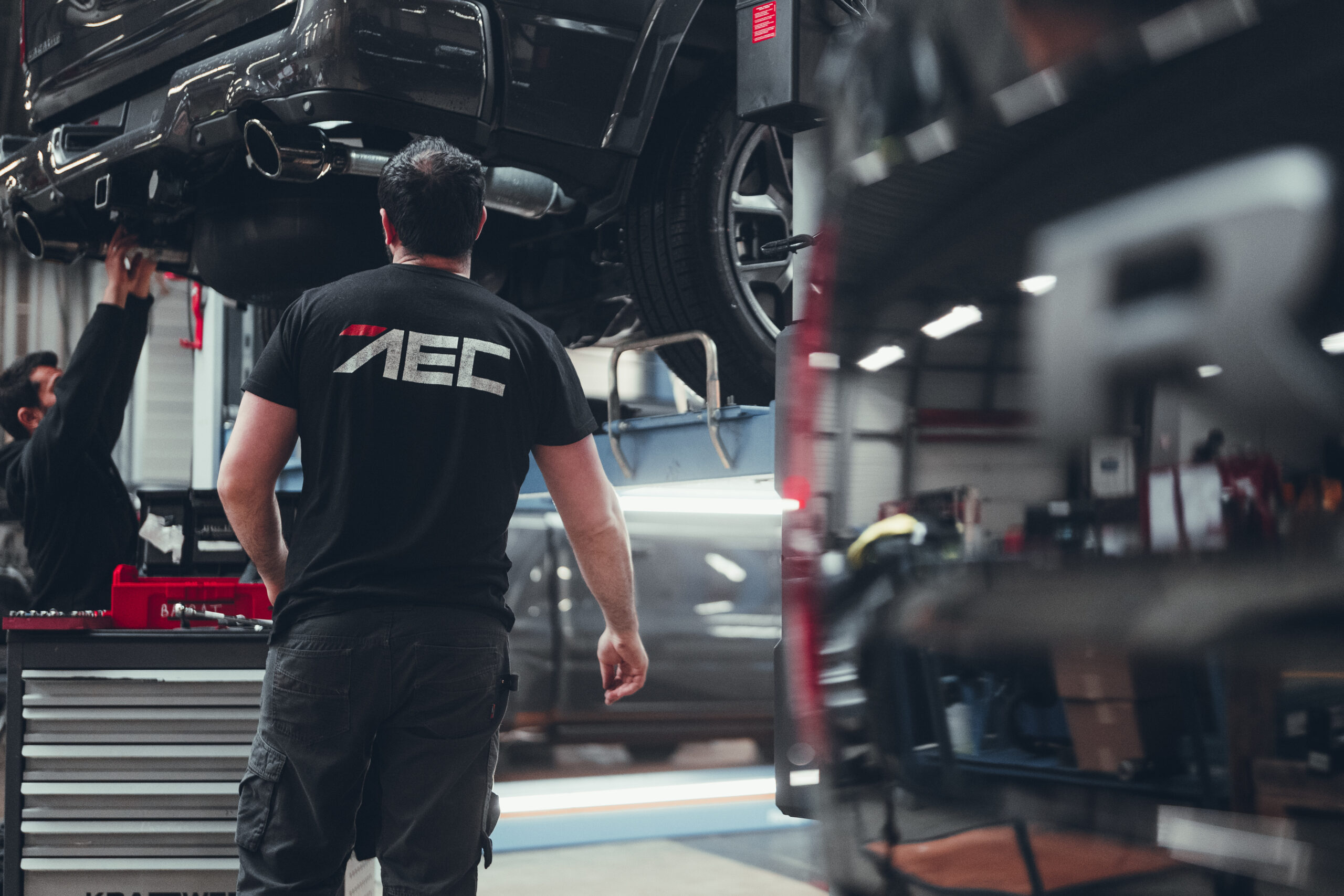
At facilities such as AEC’s Vehicle Processing Center in Antwerp, vehicles are received, inspected, and prepared for the next stages of delivery. These centers act as a critical link between global logistics and local markets, providing a controlled environment where vehicles can be checked, configured, and handled according to European requirements.
This step ensures that vehicles are not simply delivered, but delivered correctly.
Compliance and homologation
European regulations are detailed and continuously evolving. Before vehicles can be registered or sold, they must meet strict technical, safety, and regulatory standards.
This phase typically includes homologation and conformity checks, documentation and regulatory coordination, and market-specific technical validation.
For experienced partners, this is not a one-off task but an ongoing process that evolves alongside regulatory changes.
Technical preparation and localisation
Beyond compliance, vehicles often require additional preparation to ensure they are suitable for European customers and driving conditions.
This can involve software and system adjustments, feature configuration, and final quality and functionality checks.
The goal is to ensure that when a vehicle reaches a dealer, it meets both legal requirements and customer expectations, without additional complexity for retail partners.
Delivery to dealers and long-term support
The final stage is delivery to the dealer network. By this point, the complexity of the process should be largely invisible to the dealer, allowing them to focus on sales, service, and customer relationships.
However, the process does not end with delivery. Long-term support, technical expertise, and reliable coordination remain essential throughout the vehicle lifecycle.
Why the journey matters
A well-managed import journey reduces risk, avoids delays, and protects brand reputation. For dealers, it creates confidence that vehicles will arrive compliant, prepared, and on time. For customers, it builds trust in the vehicles they drive and the brands they choose.
The difference is rarely visible, but it is always felt.
Experience behind the scenes
Vehicle imports are about far more than transport. They rely on experience, attention to detail, and strong operational foundations. When each step is handled correctly, the process becomes seamless, and vehicles are ready for European roads from the moment they arrive.