What Germany’s acceptance of Belgium’s digital customs workflow means for the future of vehicle imports in Europe
Cross-border vehicle imports in Europe have traditionally relied on paper documentation, regional variations, and a mix of legacy procedures that don’t always keep pace with how fast the industry is moving. As OEMs expand across the continent and digitalization accelerates, even small administrative gaps can create real friction for distributors, dealers, and customers.
Last week’s confirmation that Germany now officially accepts Belgium’s fully digital customs workflow is more than a technical update. It’s a meaningful step in Europe’s transition toward modern, unified, digital import processes, and it highlights why experienced partners like AEC are crucial during these industry shifts.
Why this matters
When Belgium shifted to digital-only customs documentation earlier this year, freight forwarders adapted quickly. But on the receiving end, German registration offices weren’t fully aligned, and some files that were valid under Belgium’s new system weren’t initially accepted in Germany.
That temporary misalignment created uncertainty and delays for cross-border vehicle movements.
AEC’s teams worked directly with Belgian and German authorities to help resolve the issue and ensure industry-wide clarity. The outcome: Belgium’s digital customs workflow is now officially accepted across all relevant German registration authorities.
A turning point for digital imports in Europe
Beyond the immediate fix, this update reflects a broader trend in the European import landscape:
- More efficient processing Digital workflows reduce manual handling and speed up registration timelines.
- Greater consistency across borders Harmonized processes help avoid duplicated steps and administrative confusion.
- Higher overall compliance and transparency Clear rules and aligned systems reduce the risk of errors or delays.
- Momentum toward a fully digital ecosystem As more EU countries modernize their customs and registration frameworks, the entire import chain becomes more predictable and efficient.
What this means for OEMs entering or expanding in Europe
For automakers looking to bring vehicles into Europe — or scale their presence — clarity and efficiency are critical. This update reinforces several key points:
- Europe is moving toward unified, digital import processes OEMs will increasingly benefit from streamlined electronic documentation and reduced complexity.
- Local regulatory expertise is essential Even one small change can have ripple effects across the supply chain. Partners who understand regional compliance and have direct relationships with authorities help avoid disruptions.
- Choosing the right distribution partner protects momentum Market entry and brand launch timelines depend on smooth operations behind the scenes. Clear processes support strong, uninterrupted growth.
AEC’s role as Europe moves toward digital-first imports
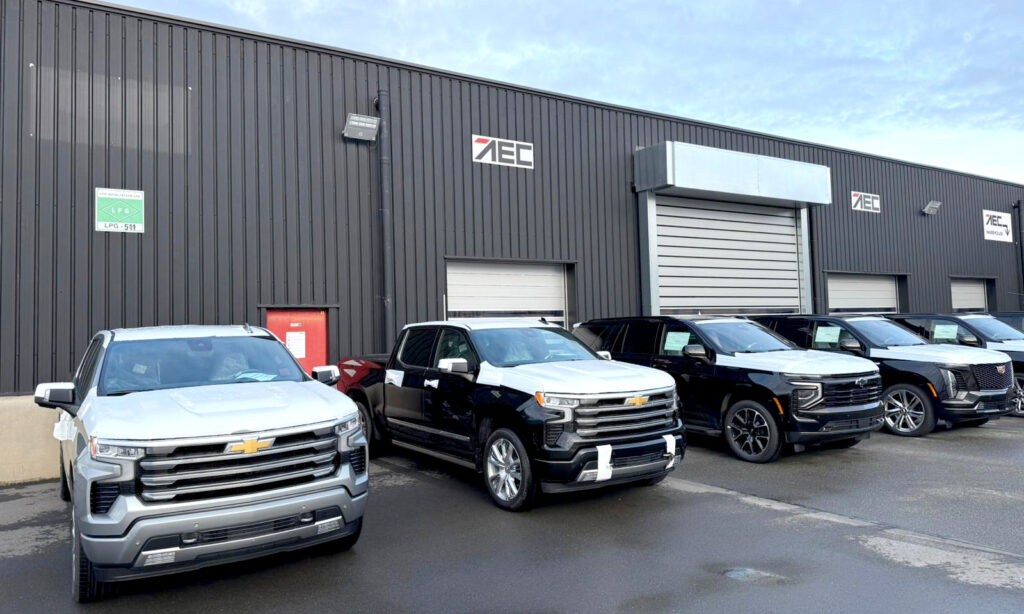
As the official importer of GM vehicles in Europe and a recognized leader in homologation, distribution, and cross-border vehicle logistics, AEC operates at the intersection of policy updates, operational realities, and OEM expectations.
Our teams proactively monitor regulatory changes, collaborate with national authorities, and translate shifts in policy into practical, on-the-ground solutions.
The goal is consistent: Keep vehicles moving, smoothly, predictably, and in full compliance, no matter how the regulatory landscape evolves.
Germany’s confirmation of Belgium’s digital workflow is one small example of the work happening behind the scenes to support a more modern, efficient European import environment. And as the industry continues to transform, AEC remains committed to guiding OEMs through every change.