Homologation is rarely visible, and almost never simple.
By the time a North American vehicle reaches a European dealer, most of the critical work has already happened behind the scenes; across engineering, software, testing, documentation and regulatory coordination. In 2026, that work is more complex, more continuous and more interconnected than ever before.
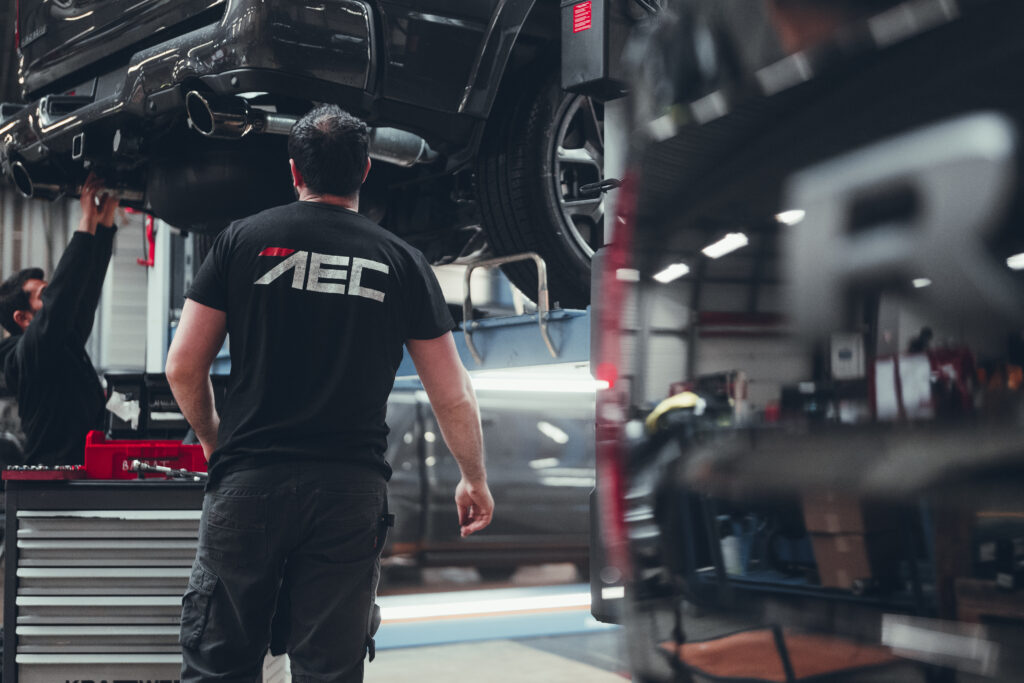
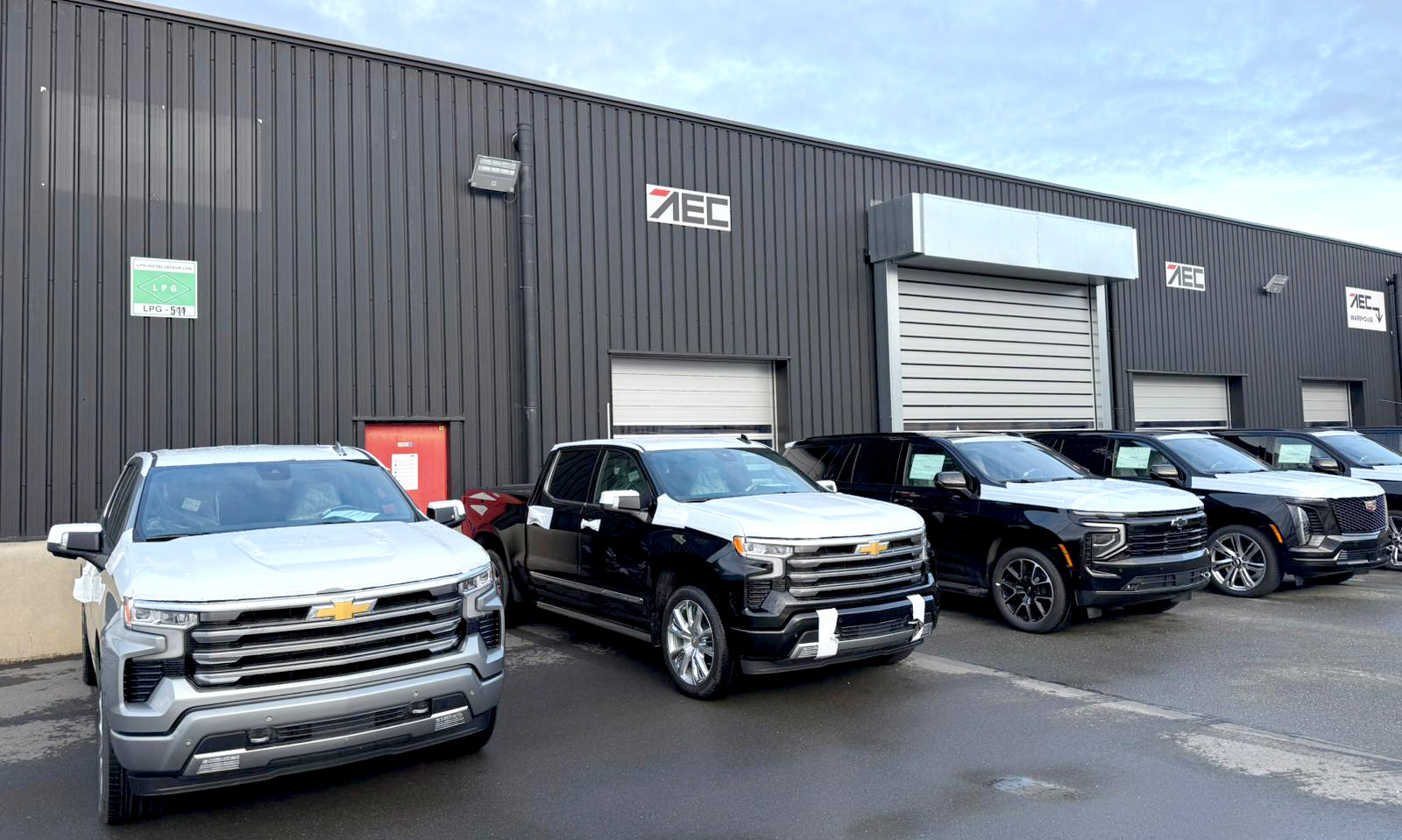
Recently, AEC teams came together at our Vehicle Processing Center in Antwerp for a hands-on Homologation and Recall Training Day. The focus wasn’t theory or presentation. It was live work on General Motors vehicles, dealing with real regulatory scenarios as they occur in practice.
This is what vehicle homologation in Europe actually looks like today.
Homologation is no longer a milestone
Homologation is often misunderstood as a single approval step; something completed before a vehicle goes on sale.
In reality, homologation is an ongoing responsibility. Vehicles remain in market for years. Regulations evolve, recalls happen, software is updated and authorities expect traceability long after initial approval.
In 2026, compliance isn’t something you “finish”. It’s something that has to hold up over time.
A more demanding regulatory landscape
Vehicle technology and regulation have both moved quickly in recent years. Today, homologation involves far more than checking a set of boxes:
- Emissions requirements remain strict, with WLTP continuing to pose challenges, particularly for larger vehicles
- ADAS and safety systems increasingly require validation, localisation and additional testing
- Connectivity, software updates and digital features must align with European systems and legislation, including eCall and data protection requirements
- Regulators expect greater transparency, documentation and VIN-level traceability throughout a vehicle’s lifecycle
- This shifts homologation from a documentation exercise to continuous technical oversight.
Why in-house capability matters
As homologation becomes more complex, fragmented responsibility creates risk.
At AEC, homologation is handled in-house by engineering and regulatory teams who work closely together. From emissions testing and technical adaptations to software calibration and authority coordination, responsibility stays in one place.
This approach enables:
- Faster responses when requirements change
- Clear accountability during recalls or audits
- Consistent processes across markets and vehicle platforms
- The training in Antwerp reflected this reality, not as a showcase, but as part of how homologation is managed day to day.
What this means for partners
A robust homologation framework matters because of who it protects:
Dealers
They receive fully approved vehicles and reduced regulatory exposure, allowing them to focus on customers rather than compliance complexity.
Manufacturers
Brands are protected as vehicles enter new markets in a controlled, consistent and compliant way.
End customers
Vehicles register properly, function as intended and avoid hidden issues later in ownership.
Looking ahead
Homologation in 2026 is not about clearing a hurdle. It’s about maintaining trust. With regulators, partners and customers, and this over the full lifecycle of a vehicle.
Behind the scenes, that means systems, engineering depth and accountability working together to ensure vehicles are truly road-ready for Europe.